How to Prepare for Your Periodontal Treatment Appointment in Ventura
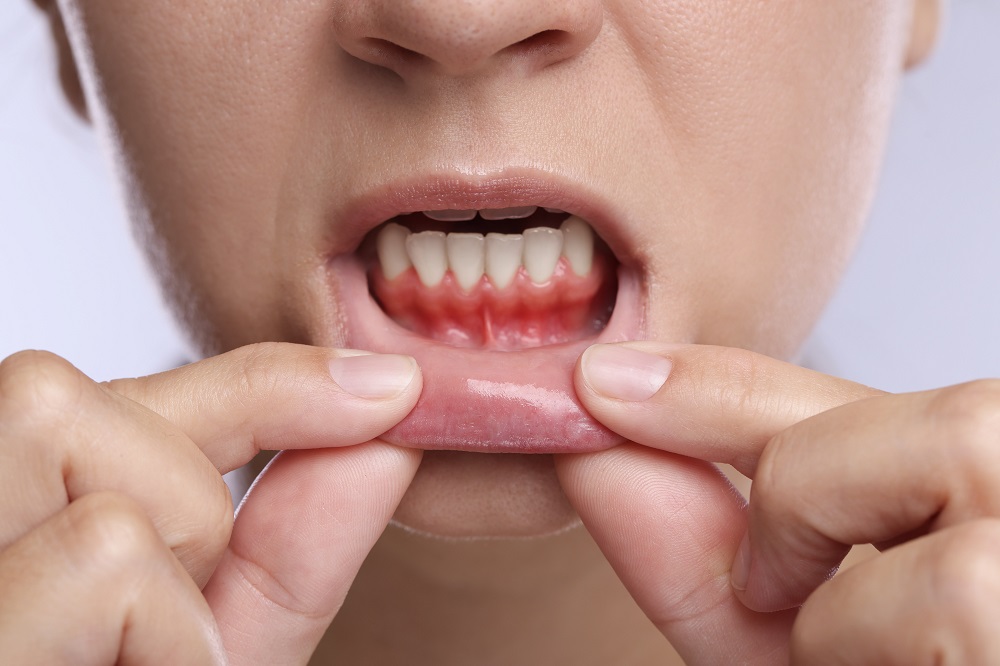
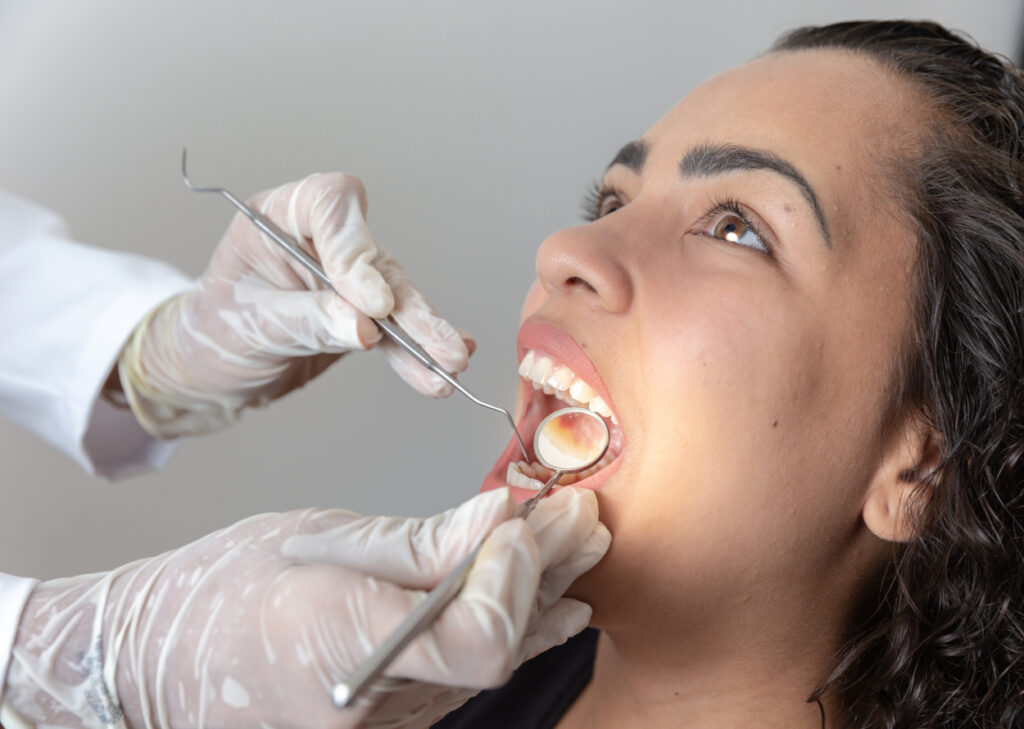
If you have a periodontal appointment on the calendar, a little preparation can make the visit smoother, more comfortable, and more productive. That is true whether you are going in for an evaluation, a deep cleaning, scaling and root planing, maintenance after earlier gum therapy, or a more involved procedure recommended by a periodontist.
Many patients in Ventura arrive with the same quiet questions. Will it hurt? Should I eat first? Can I drive myself home? What if I am nervous? Those concerns are normal. Gum treatment often sounds more intimidating than it turns out to be, especially when you know what to expect and how to get ready.
The goal of preparation is not to make the visit feel clinical or complicated. It is to remove avoidable stress. When you handle the basics ahead of time, your dental team can focus on the health of your gums, the stability of your teeth, and your long-term comfort.
Why periodontal treatment deserves a little planning
Periodontal care is different from a routine cleaning. A standard hygiene visit focuses on preventive maintenance above and slightly below the gumline. Periodontal treatment addresses gum inflammation, bacterial buildup, tartar deposits below the gumline, deeper pockets around the teeth, bleeding, gum recession, bone loss, or healing after previous treatment. Because of that, the appointment may be longer, may involve local anesthetic, and may come with aftercare instructions you do not get at a typical cleaning.
That difference matters. Patients sometimes treat a periodontal visit like any other dental stop on the calendar, then feel rushed when they realize they should have eaten beforehand, blocked out more recovery time, or arranged a ride because sedation was planned. A few simple choices in the day or two before the appointment can prevent that scramble.
If you are seeking Periodontal Treatment Ventura, it helps to think in practical terms. This is not only about showing up on time. It is about arriving with the right information, the right expectations, and a plan for the hours after you leave.
Start by understanding what kind of visit you are having
The most useful thing you can do is confirm the purpose of the appointment. Periodontal care is a broad category, and preparation can vary depending on the procedure.
An initial consultation usually includes a review of your symptoms, medical history, medications, gum measurements, x-rays if needed, and a conversation about treatment options. That visit rarely requires much recovery time, but it does require complete information. If you have noticed bleeding when brushing, persistent bad breath, tooth sensitivity, loose teeth, swelling, or gum recession, mention it clearly. Those details help your provider connect what they see clinically with what you have experienced at home.
Scaling and root planing, often called deep cleaning, is more involved. It removes hardened deposits and bacteria below the gumline and smooths the root surfaces to help the gums heal and reattach. Some practices treat one side of the mouth at a time, while others may treat larger areas depending on your comfort and the extent of disease. Patients often do best when they know in advance whether they will be numb, how long the visit may last, and what they should expect once the anesthetic wears off.
If the appointment involves localized antibiotic placement, laser therapy, gum grafting, pocket reduction, or another surgical procedure, preparation becomes more specific. You may need to pause certain habits, bring a driver, fill prescriptions ahead of time, or stock your kitchen with softer foods.
One quick phone call to the office can clear up most uncertainty. Ask what procedure is scheduled, how long to reserve, whether local anesthetic or sedation is planned, and whether there are food, medication, or transportation instructions.
Gather your health information before the visit
Periodontal health is closely linked to overall health. Your gums do not exist in isolation, and your provider needs an accurate picture of your medical background before treatment begins.
Conditions such as diabetes, heart disease, autoimmune disorders, osteoporosis, pregnancy, and tobacco use can all affect gum health and healing. Medications matter too. Blood thinners, immunosuppressants, bisphosphonates, https://soundcloud.com/avra-dental and even some common prescriptions for dry mouth can influence treatment decisions or aftercare.
It is worth taking ten minutes the night before to make sure you can answer basic questions without guessing. Bring a current medication list, including dosage if possible. Include vitamins, supplements, and over-the-counter pain relievers. If your physician recently changed a medication, mention it. If you have had joint replacement, heart valve concerns, or a history of antibiotic premedication before dental work, tell the office in advance rather than while sitting in the chair.
Patients often underestimate how useful this step is. I have seen simple delays happen because someone says, “I take a little white pill for blood pressure, I can’t remember the name.” That is understandable, but avoidable. A photo of the prescription bottle on your phone is often enough.
Eat smart, but follow the office instructions
For many non-sedation periodontal procedures, it helps to eat a balanced meal one to two hours beforehand. You are likely to be more comfortable if you are not hungry, especially if your mouth will be numb afterward for several hours. A meal with some protein tends to hold better than coffee and toast alone.
If sedation is involved, those instructions change. Some patients are told not to eat or drink for a certain number of hours beforehand. Follow the guidance from your provider exactly. Sedation protocols are there for safety, not convenience.
Even when you can eat normally before treatment, it is wise to avoid arriving with a stomach full of very spicy food, excessive caffeine, or alcohol from the night before. Too much caffeine can make nervous patients feel more jittery, and alcohol can contribute to dehydration and may interact poorly with medications or sedatives.
After the appointment, softer foods are usually easier, especially after deep cleaning or surgical care. You do not need to build a weeklong recovery pantry for every gum treatment, but having a few easy options at home saves you from improvising while your mouth is tender. Yogurt, scrambled eggs, soup that is warm rather than hot, oatmeal, smoothies eaten with a spoon if instructed, and soft fish are common choices.
Brush and floss, but do not overdo it
A common misconception is that you should skip brushing before a periodontal appointment because your gums are already irritated. The opposite is usually true. Arriving with a reasonably clean mouth helps your provider see the tissues more clearly and makes the visit more pleasant for everyone.
Brush gently and floss as you normally would unless your office has told you otherwise. There is no need for aggressive “panic flossing” the night before. That often causes needless soreness and does not hide gum disease. Your provider can tell the difference between active inflammation and a patient who flossed too hard out of guilt.
If you wear removable appliances, aligners, or a night guard, bring them if they are relevant to your oral health or if the office requested them. If grinding or clenching is contributing to gum recession or tooth mobility, those details matter.
If you are anxious, say so early
Dental anxiety is common, and periodontal treatment can trigger it even in people who usually do fine at routine checkups. The language around gum disease, pocket depths, bone loss, and surgery can feel heavy. So can the memory of a past dental experience that did not go well.
Do not wait until you are in the chair to mention that you are nervous. Offices can often make simple adjustments when they know ahead of time. That may mean scheduling extra time, using numbing gel before injections, explaining each step as they go, offering breaks, or discussing sedation options for more involved care.
Patients often feel embarrassed by anxiety, especially adults who think they should “be over it by now.” There is nothing unusual about it. A calm visit usually begins with a candid conversation. Something as simple as saying, “I do better if I know what is happening before you start,” can change the tone of the entire appointment.
Here are a few practical ways to make the appointment easier if nerves are part of the picture:
- Confirm with the office whether you can wear earbuds and listen to music or a podcast during treatment.
- Ask how numbness is managed and how long it usually lasts for your specific procedure.
- Schedule the visit at a time of day when you are least rushed, often earlier rather than after a packed workday.
- If sedation is available and appropriate, ask about the requirements several days in advance.
- Build in a quiet hour after the appointment instead of planning to jump straight back into meetings or errands.
Plan for transportation and time off, based on the procedure
Some periodontal visits are truly straightforward. You come in, receive treatment with local anesthetic, and drive yourself home without issue. Others are not. If oral sedation, IV sedation, or a surgical procedure is involved, you may need someone to take you home and stay with you for a period afterward.
Do not assume. Ask.
Work schedules deserve the same realism. A patient having a small area treated under local anesthetic may return to desk work the same day. A patient having multiple areas deep cleaned, or a gum procedure with sutures, may technically be able to work but not comfortably. If your job involves public speaking, heavy lifting, long shifts without breaks, or a lot of phone time, a same-day return can be less appealing than it sounds.
This matters in Ventura, where people often try to fit appointments around busy workdays, school pickup, traffic, and coastal commutes. Giving yourself breathing room is not indulgent. It is sensible. If you finish treatment and feel fine, great. It is much better than being halfway through the visit and worrying about making it across town while still numb.
Dress for comfort, not for the calendar on your phone
What you wear affects comfort more than people expect. Choose something easy, soft, and practical, especially if the appointment may last more than an hour. A shirt with a looser collar is usually better than anything restrictive around the neck. If the office tends to run cool, bring a light layer. Small discomforts can feel much bigger when you are trying to stay still.
Skip heavy lipstick or lip products if possible. If you wear contact lenses and tend to have dry eyes during longer appointments, glasses may be the better choice that day. None of this is dramatic, but collectively it helps.
Be ready for the questions your periodontist is likely to ask
The best periodontal visits are conversations, not one-sided lectures. You do not need to memorize terminology, but it helps to think through your recent symptoms and habits.
Be prepared to discuss when you first noticed bleeding, whether one area is more tender than another, whether cold sensitivity has increased, whether your teeth feel longer because of gum recession, and whether anyone has commented on bad breath. If you smoke or vape, be honest about how much and how often. Tobacco has a major effect on gum healing, and minimizing the habit on paper does not help your outcome.
If you have had periodontal treatment before, say where and roughly when. Even if you do not remember every detail, knowing that you had “deep cleaning on the lower right about three years ago” is useful. Bring previous x-rays if you have them and the office requests them.
Know what recovery usually looks like
One of the biggest sources of stress is not the treatment itself, but uncertainty afterward. Patients imagine extremes. Either they think they will be completely unaffected, or they expect several days of misery. Reality is usually somewhere in the middle.
After scaling and root planing, mild soreness, slight bleeding when brushing, temperature sensitivity, and tenderness in the gums are common for a short period. Numbness can last a few hours. After surgical periodontal treatment, swelling, localized discomfort, and dietary modifications are more likely. Some patients are surprised that the teeth can feel “different” once tartar below the gumline has been removed. That sensation is not necessarily a problem. It is often part of the adjustment.
The key is to leave with clear instructions and to follow them. If the office prescribes a rinse, use it exactly as directed. If they tell you to avoid vigorous spitting, hard foods, straws, or intense exercise for a period, follow those guidelines rather than testing the limits.
This is one area where preparation at home makes a real difference. Before your appointment, make sure you have what you are likely to need afterward:
- Any prescribed rinse or medication, if the office asks you to fill it in advance.
- Soft foods for the first several meals.
- A clean, soft-bristled toothbrush if your current one is worn.
- Over-the-counter pain relief only if your provider says it is appropriate for you.
- Ice packs or a cold compress for procedures where swelling is expected.
Questions worth asking before treatment starts
Patients often save their questions for the end, when they are numb, distracted, or trying to leave. Ask them before treatment begins, when you can absorb the answers.
You might ask how many areas of the mouth are being treated that day, whether you will be numb afterward and for how long, what level of discomfort is typical that evening, and which symptoms are normal versus worth a call. If cost or insurance is a concern, clarify that before the procedure starts. Financial uncertainty has a way of increasing anxiety during care.
Also ask about maintenance. Periodontal treatment is rarely a one-and-done event. Gum disease is usually managed over time, and follow-up visits are part of protecting the work you are investing in now. If your provider recommends more frequent maintenance than standard six-month cleanings, ask why. Most patients accept the plan more comfortably when they understand the reason behind it.
A note about smoking, vaping, and healing
This deserves direct attention because it affects outcomes so strongly. Smoking and vaping can impair circulation, delay healing, mask signs of inflammation, and increase the chance that gum disease will persist or return. If you smoke, even reducing use around the time of treatment can help, though quitting offers the greatest benefit.
Patients sometimes assume that if they have already developed gum problems, the damage is done and their habits no longer matter. That is not how healing works. The tissue response after treatment matters enormously. If your provider advises you to avoid smoking during the recovery window, take that seriously.
What people in Ventura often overlook
Local routines influence dental preparation more than you might think. Ventura patients often come in after coffee by the beach, after a rushed school drop-off, or between work obligations. That lifestyle is part of what makes the area appealing, but it can also lead to underprepared appointments.
The most overlooked issue is simple time pressure. Periodontal treatment does not pair well with a schedule packed down to the minute. If your appointment is at noon and you have promised to be fully present somewhere else at 1:30, you are setting yourself up for stress, even if the office runs perfectly on time. Build margin into the day.
The second overlooked issue is hydration. A lot of people arrive mildly dehydrated, especially after coffee, outdoor activity, or a busy morning without enough water. Unless you have fasting instructions, drink water beforehand. A hydrated patient generally feels better, and it can make the visit more comfortable.
The third is assuming that gum bleeding is normal because it has been happening for a long time. It is common, but it is not normal. If you are finally pursuing Periodontal Treatment Ventura after delaying it, that step matters. Early attention can often preserve more tissue, reduce discomfort, and limit the need for more extensive intervention later.
If it is your first periodontal appointment, expect a learning curve
There is a lot of vocabulary in periodontal care, and some of it can sound severe at first hearing. Words like pockets, attachment loss, recession, and osseous changes can alarm patients who have never heard them before. Try not to fixate on the terminology before you understand the full picture.
Ask your provider to show you what they mean. Seeing x-rays, pocket measurements, or photos of a specific area often makes the explanation far clearer. Once patients understand what the problem looks like and what the treatment is trying to accomplish, the appointment becomes less mysterious and more manageable.
That clarity also helps with motivation afterward. Daily home care matters more after periodontal treatment, not less. Most people brush, but many need more specific guidance on flossing technique, interdental brushes, water flossers, or cleaning around crowded teeth, bridges, or implants. The right tools depend on your mouth, not on whatever happened to be in the drugstore aisle.
The best preparation is simple and honest
Most periodontal appointments go better when patients do three things well. They show up informed, they share accurate health information, and they follow aftercare instructions without improvising. Fancy preparation is not required. Honest preparation is.
If you are unsure about anything, call the office before the appointment. Ask whether you should eat, whether you can drive afterward, whether medications need to be adjusted, and what the evening will likely feel like. Those are routine questions, and good dental teams expect them.
Periodontal treatment is about more than cleaning around the teeth. It is about controlling infection, protecting bone and gum support, and helping you keep your natural teeth healthier for longer. A prepared patient is easier to treat, yes, but more importantly, a prepared patient usually has a better experience from start to finish.
Avra Dental
Address: 1708 S Victoria Ave B, Ventura, CA 93003
Phone number: (805) 941-1001
FAQ About Periodontal Treatment Ventura
Can a dentist get rid of periodontal disease?
A dentist or gum specialist (periodontist) cannot fully cure or reverse advanced periodontal disease (periodontitis), but they can successfully stop its progression and manage the infection.
Is periodontitis very serious?
Yes, periodontitis is a very serious, advanced form of gum disease that destroys the bone and tissues supporting your teeth.
How is stage 2 periodontal disease treated?
Stage 2 periodontal disease (early to moderate periodontitis) is primarily treated with non-surgical deep cleaning procedures like scaling and root planing to remove bacteria and tartar below the gumline.